

Dealing With Injury: How to Manage Setbacks and Embrace the Long Road

Updated: Aug 6
Injury is one of the most frustrating parts of any fitness journey. Whether you are a golfer, gym-goer, or simply someone who enjoys staying active, setbacks can feel like your hard work has been undone overnight. The truth is, injuries happen to almost everyone at some point. What matters most is how you respond to them.
Instead of seeing an injury as the end of progress, it can become an opportunity — a chance to reassess, rebuild, and return stronger.

It can feel unfair, frustrating, and even demoralising. But here’s something I’ve learned both as a coach and from personal experience: injuries aren’t the end of the road. They’re part of the journey.
Understanding Injury: A New Perspective
Injuries can be daunting, but they also offer a chance for growth. They compel us to evaluate our training methods and consider what we can do differently. This is a vital step in our journey towards fitness and health.
The Reality of Injuries
Injuries are common in fitness, and they can happen to anyone. Whether it's a sprain, strain, or more severe issue, the key is to understand that recovery is possible. The first step is to acknowledge the injury and seek appropriate care.
The Importance of a Positive Mindset
Maintaining a positive mindset during recovery is crucial. Instead of viewing your injury as a setback, consider it a chance to learn. This shift in perspective can help you stay motivated and focused on your long-term goals.
Injury and the Golfer
For golfers especially, injury can be discouraging. Swinging through pain or ignoring movement limitations often makes problems worse. This is where golf-specific fitness becomes invaluable.

Movement screening can highlight restrictions in mobility, stability, or strength that may have contributed to the injury in the first place. By addressing these weaknesses through tailored training, many golfers not only recover but also return with improved performance.
Golf is a game of longevity. Managing injuries well ensures you stay on the course for years to come.
The Emotional Side of Injury
The first challenge is often psychological. Being told to rest or scale back your training can leave you feeling impatient, frustrated, or even anxious about losing progress. These emotions are natural, but they do not have to control the outcome.
Shifting your perspective is powerful. Rather than asking “Why me?”, ask “What can I do right now to support recovery?”. This mindset change keeps you proactive and prevents the negative spiral that can make setbacks harder.
Recovery Is Not the Same as Doing Nothing
Rest does not always mean complete inactivity. In fact, most recovery plans include some form of gentle movement. The key is choosing the right type and intensity.
Mobility work: Low-impact stretching and joint mobility can help prevent stiffness and maintain range of motion.
Strength in unaffected areas: Training what you can use safely — such as upper body work during a lower-body injury — keeps you engaged and conditioned.
Cardio alternatives: Options like swimming, cycling, or rowing may keep fitness levels up while reducing strain.
Working with a professional ensures you adapt exercises properly and avoid prolonging recovery by doing too much too soon.
Listen to Your Body (and the Professionals)
Pain is feedback — and ignoring it rarely ends well.
It’s tempting to “push through,” but this usually prolongs the problem. Whether it’s working with a physio, a trainer, or following medical advice, doing things properly means you’re less likely to end up back where you started.
Remember: rushing recovery often leads to reinjury. Patience now pays off later.

Injury Recovery and Managing the Mindset
Injuries can feel isolating. Progress looks different, and it’s easy to slip into negative self-talk.
But mindset is a huge part of recovery. Every time you choose to focus on what you can do instead of what you can’t, you take back control.
Healing is still progress. Even if it’s slower or less visible, every step — from reduced pain to improved movement — is a step forward.
Supporting Recovery Beyond Training
Healing is not only about exercise — lifestyle factors play a huge role:
Nutrition: A balanced diet with enough protein supports tissue repair. Nutrients like vitamin C, vitamin D, zinc, and omega-3s may aid recovery.
Hydration: Staying hydrated helps circulation and joint function.
Sleep: This is when the body does its best repair work. Prioritising consistent, good-quality sleep can speed recovery significantly.
Stress management: High stress slows down healing. Mindfulness, breathing work, or simply time outdoors can help.
The Role of Nutrition in Recovery
Nutrition is a cornerstone of recovery. Eating a variety of nutrient-dense foods can support your body’s healing processes. Consider incorporating more fruits, vegetables, lean proteins, and healthy fats into your meals.
The Importance of Hydration
Staying hydrated is essential for optimal recovery. Water aids in circulation and helps maintain joint function. Aim to drink plenty of fluids throughout the day, especially if you are active.
The Long Road Perspective

One of the hardest lessons is that recovery rarely happens overnight. Patience is a skill in itself. Rushing back into training too soon often leads to re-injury and even longer setbacks.
Instead, embrace the long road. Think of this phase as an investment — the time you spend recovering properly lays the foundation for stronger, more resilient performance in the future.
Progress during recovery is not always visible on the outside, but every step — from reduced pain to improved mobility — is a win.

The Comeback Advantage
Strangely enough, many athletes and fitness enthusiasts look back on injuries as turning points. Why? Because setbacks often force you to slow down, pay attention to weaknesses, and build a more balanced foundation.
By the time you return, you may find you are more aware of your body, more resilient, and more motivated than ever before.
I am currently working with a client recovering from a stress fracture. She is still attending her sessions and focusing on what she can do, rather than what she cannot. Together we are gradually building her leg strength back up while keeping the rest of her body active and engaged. This process is teaching her patience and resilience, and showing that progress is still possible, even during recovery.
Final Thoughts
Injury is not the end of progress — it is simply part of the journey. With the right mindset, smart training adjustments, and attention to recovery, setbacks can be turned into comebacks.
If you are dealing with an injury or want to reduce your risk in the future, structured training and expert guidance can make all the difference.
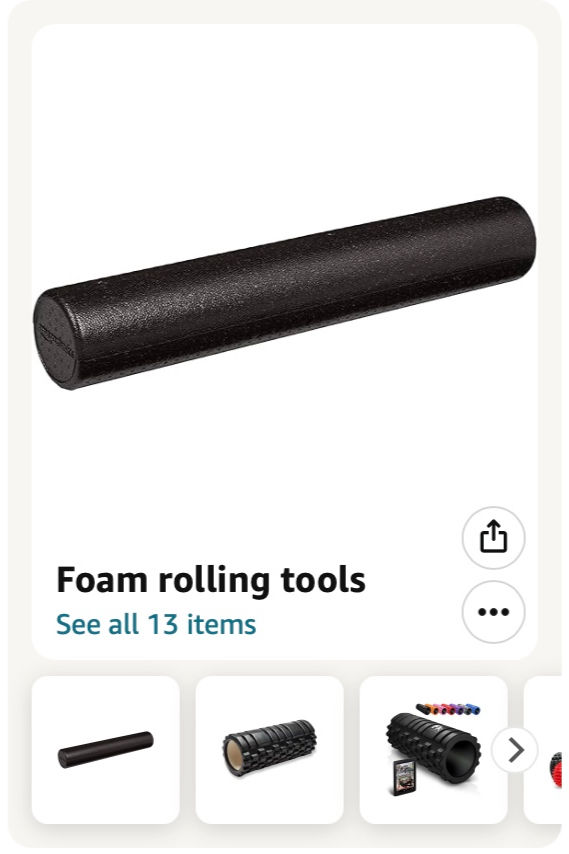
“I’ve linked some of my favourite recovery tools from my Amazon Storefront. These are affiliate links, which means I may earn a small commission — but I only ever recommend products I use with myself or my clients.”


Comments